NCCHC's 2026 Jail & Prison Health Standards Take Effect
The National Commission on Correctional Health Care has released the 2026 editions of its Standards for Health Services, and facilities pursuing or maintaining NCCHC accreditation must comply beginning January 1, 2026. Building on the prior editions, the updated standards add expanded interpretive guidance and more detailed documentation requirements, with particular emphasis on mental health screening and comprehensive chronic disease management. For jail and prison administrators, the practical implication is less about new services and more about provable ones: what was defensible as routine practice now needs to be visible in the record.
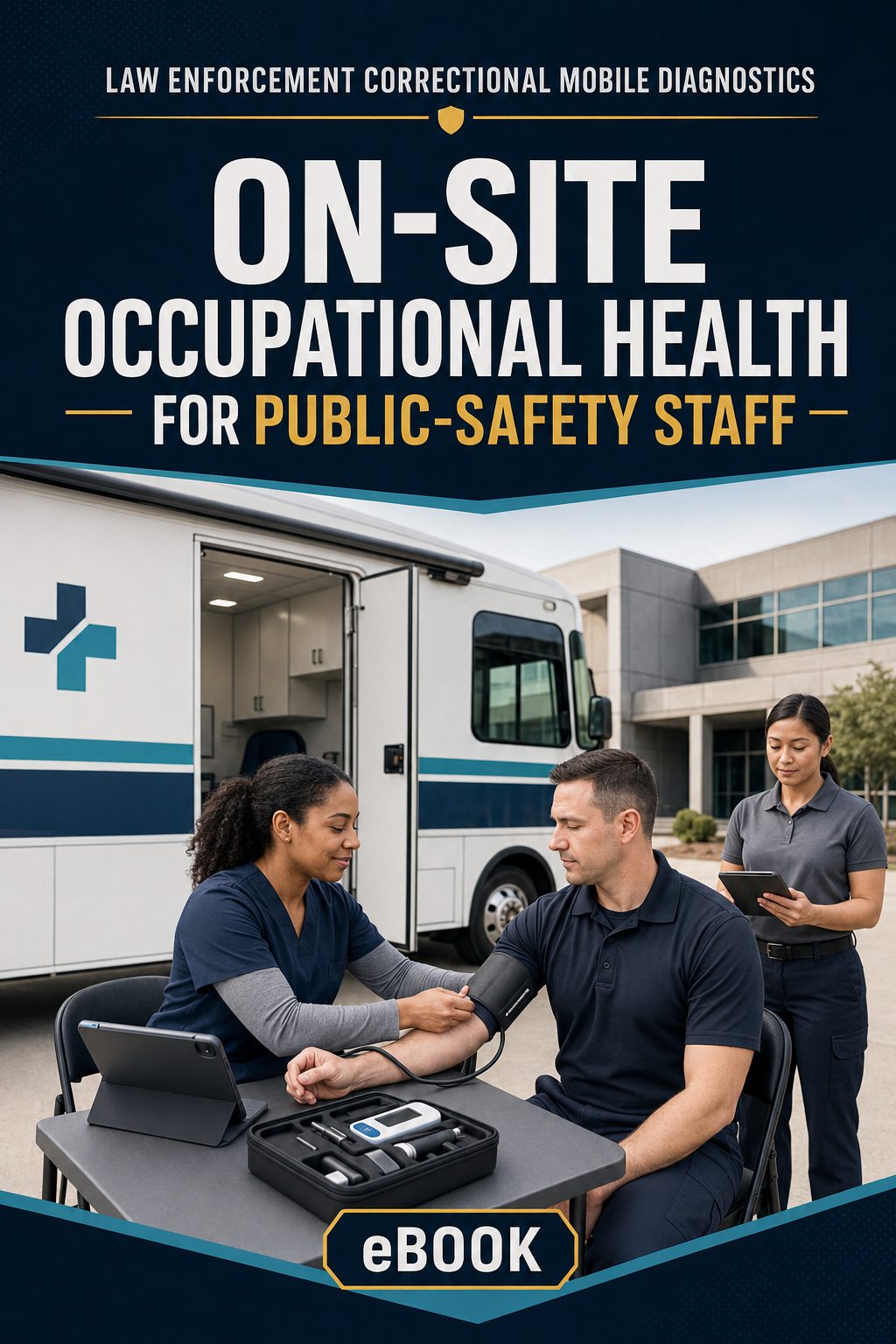
Documentation is exactly where on-site diagnostic services either help or hurt. A screening that happens but is not captured, or a follow-up that depends on a transport that keeps getting rescheduled, becomes a gap in the file long before it becomes a finding. Building diagnostics into a predictable on-site schedule turns compliance from an annual scramble into a routine operational rhythm, with dated results attached to the right record the day the service occurs.
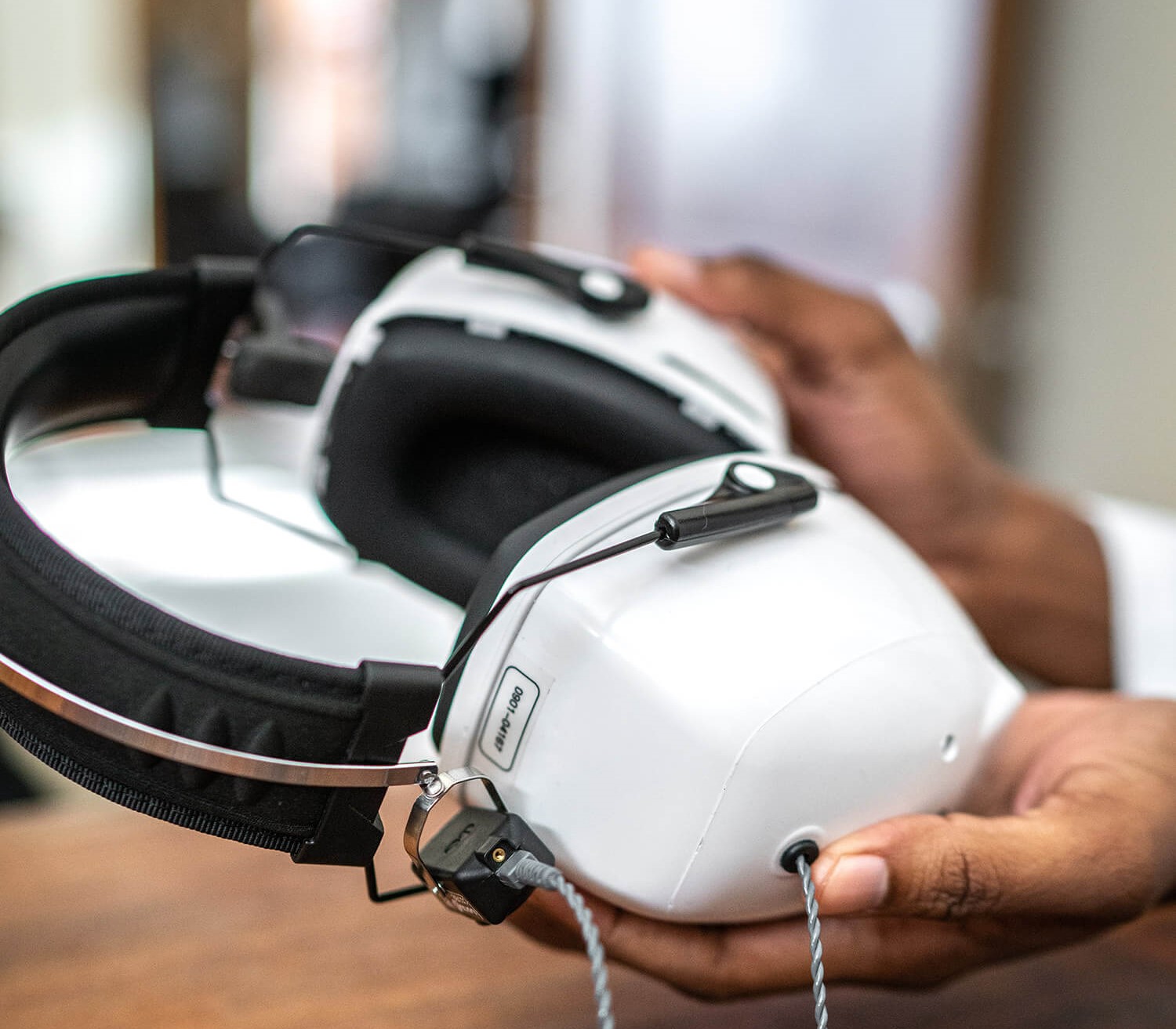
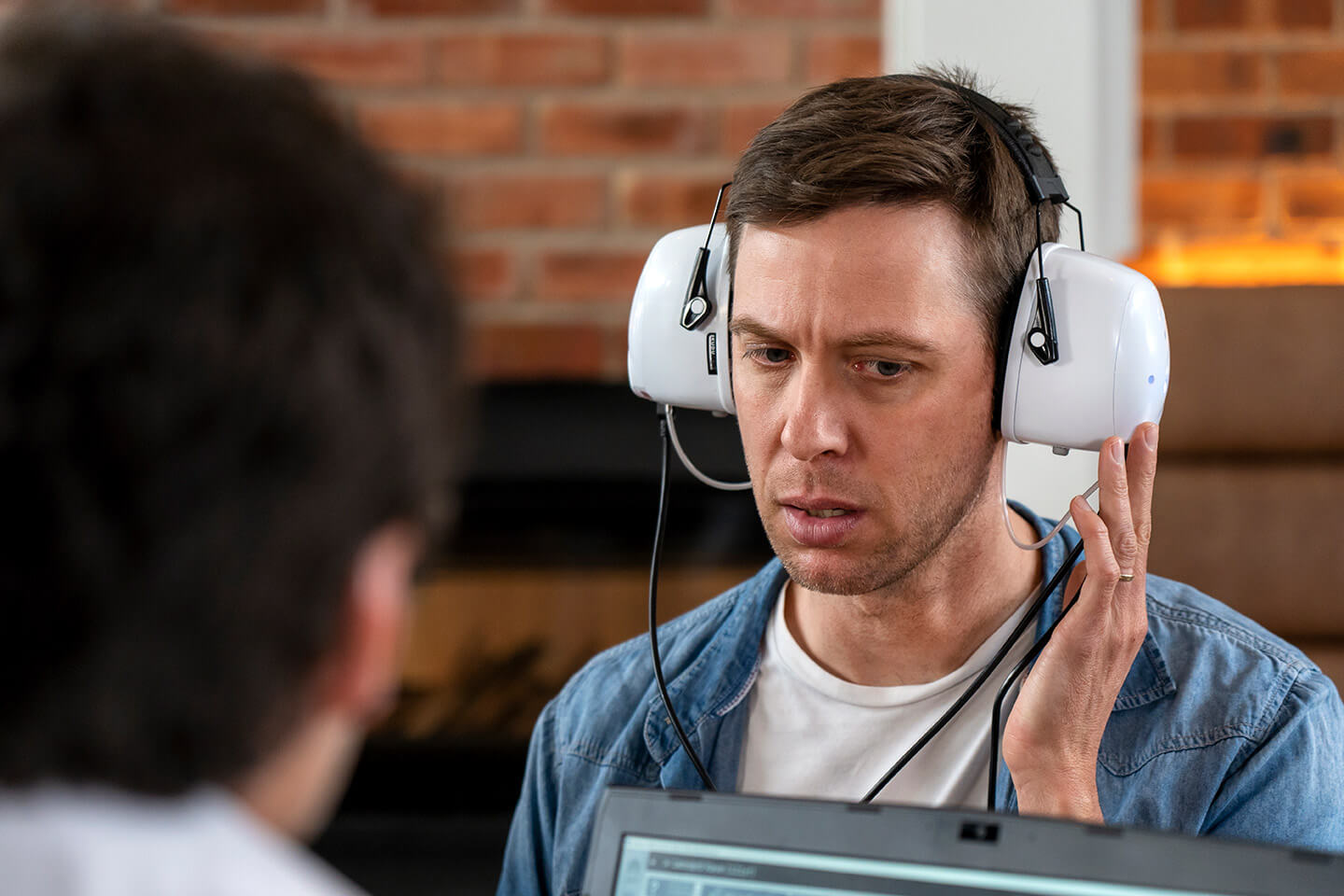
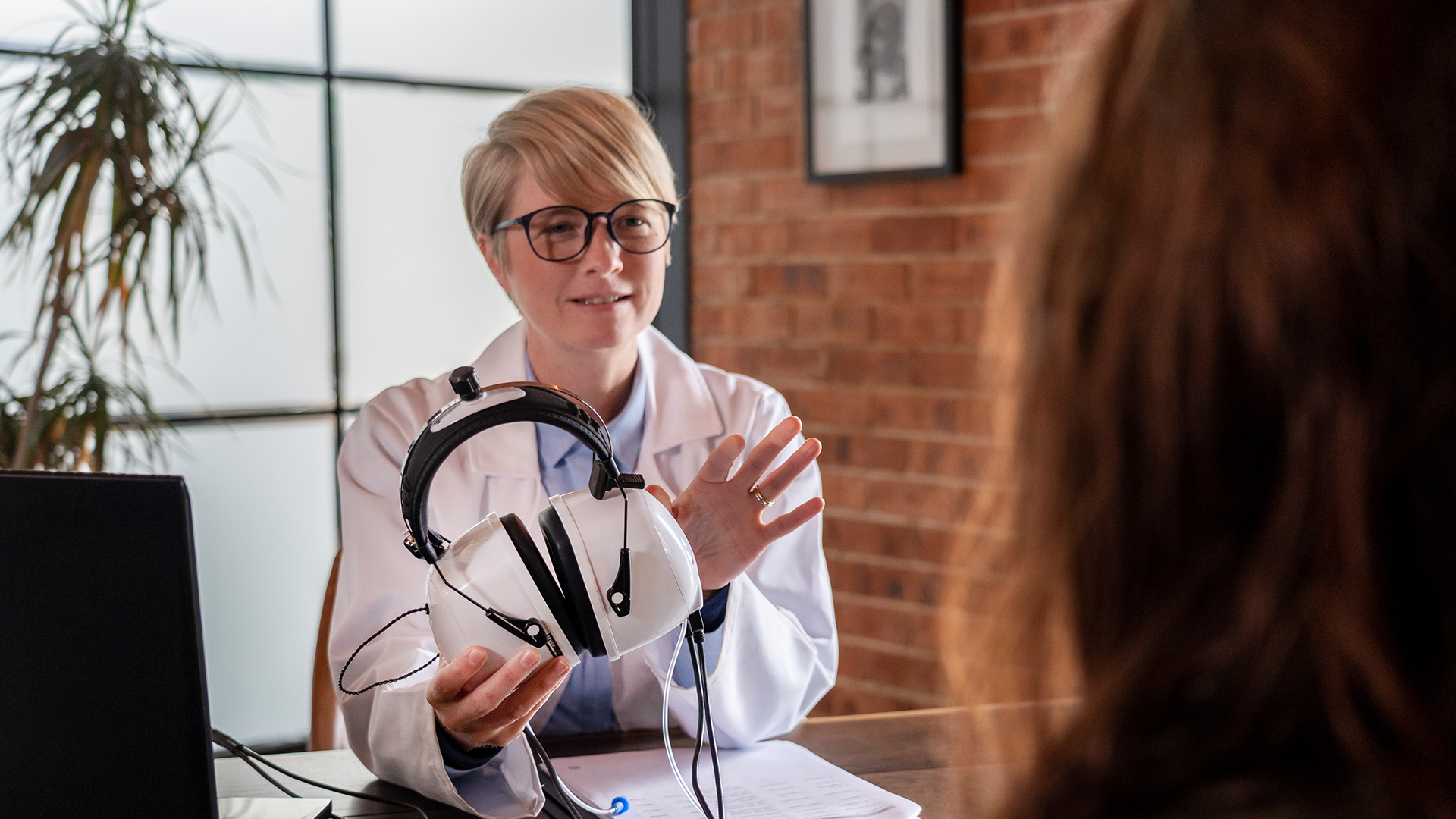
Occupational health obligations run alongside the inmate-health standards and are frequently overlooked in correctional settings. Under OSHA's occupational noise standard, employers must make audiometric testing available to employees exposed at or above an 8-hour time-weighted average of 85 decibels, obtain a baseline and then annual audiograms at no cost to the employee, and compare each annual test to that baseline to identify a standard threshold shift. Testing must be conducted by a licensed or certified audiologist, otolaryngologist, or physician, or by a technician certified by the Council for Accreditation in Occupational Hearing Conservation. Facility maintenance shops, laundries, and industry programs routinely reach that action level.
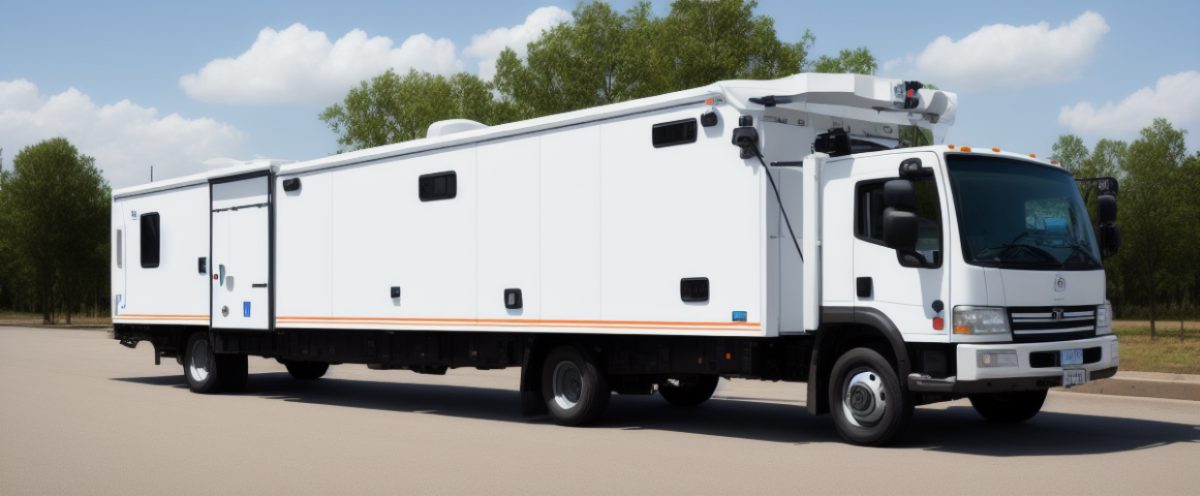
Verify the specific requirements that apply to your facility directly with NCCHC and OSHA — standards are updated on their own schedules and state oversight adds its own layer. Then let us handle the delivery. We bring the equipment, the certified personnel, and the documentation inside the secure perimeter on a schedule your custody staff can plan around, which is the only kind of compliance program that survives contact with a real jail. Ask us for a walkthrough of your current screening calendar; the gaps usually find themselves.
Sources: NCCHC — Standards for Health Services; NCCHC Resources — Preparing for the 2026 Jail and Prison Health Standards; OSHA — 29 CFR 1910.95 Occupational Noise Exposure